Settling In Mail-Order Nursery Plants
Unbox, hydrate, quarantine, and harden nursery shipments for USDA 6–8 balconies — potting depth, watering, and when to start fertilizer.
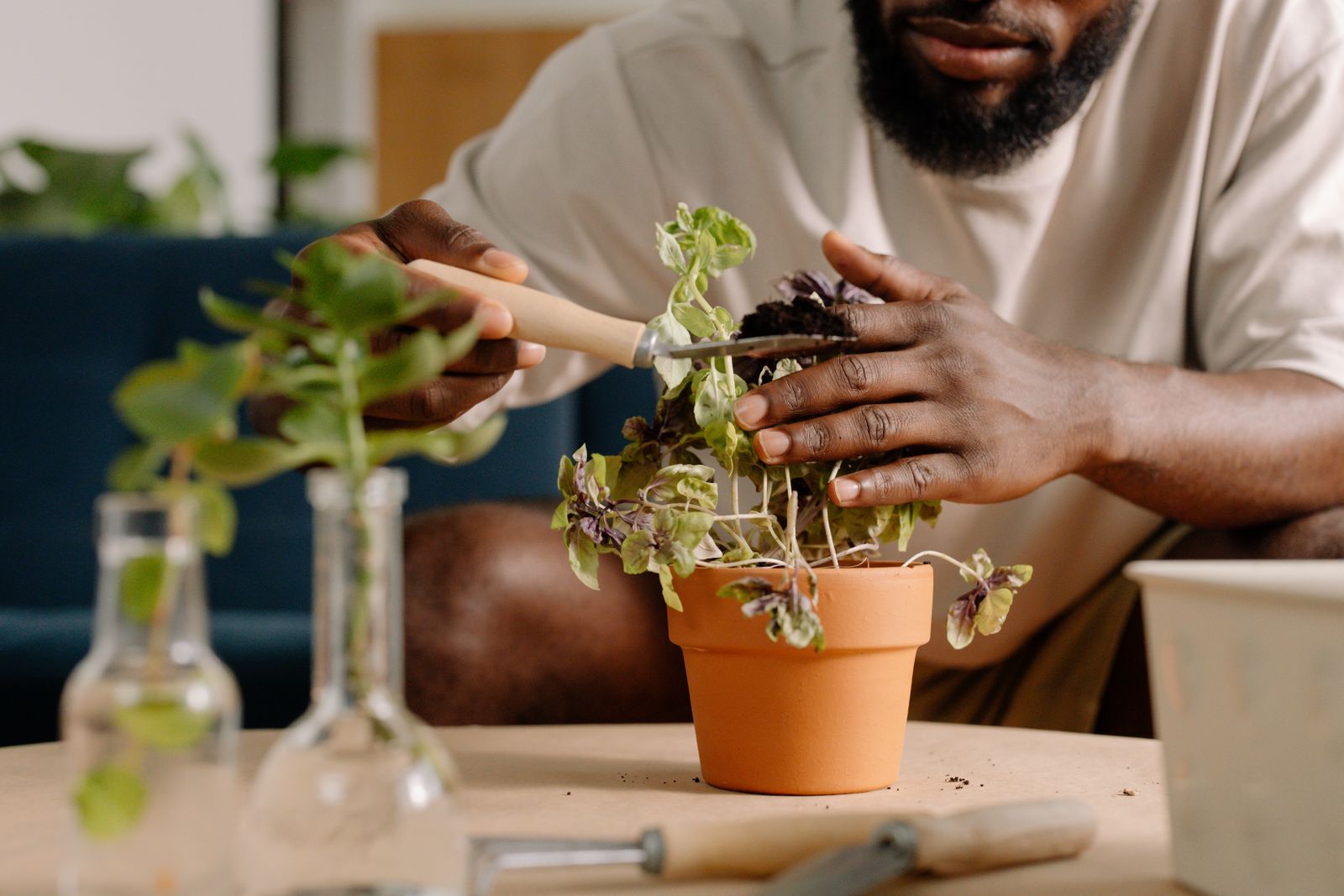
Photo: cottonbro studio / Pexels · free stock, attributed
Shipped nursery stock often arrives dry, defoliated, or pushing buds at the wrong season. A fixed settling routine prevents most “dead on day three” losses on USDA 6–8 balconies. Hotter arrival days favor evening potting; colder sites may need indoor bright window time before outdoor hardening.
Materials
- Clean pot with open drain holes and fresh container mix (mix recipes)
- Bright shade location for 3–7 days
- Watering can; optional transplant solution at label dilution
- Quarantine bench away from pest-free herbs
- Bypass snips for damaged stems and shipping buds
Settling procedure (numbered)
- Unbox in shade. Document damage for the seller if needed. Do not leave sealed cartons in sun.
- Hydrate before judging health. If mix is hydrophobic, water twice slowly 10–15 minutes apart until slight runoff.
- Avoid midday potting above ~28–30°C. Repot in the evening when air is cooler.
- Pot without destroying the root ball. Tease only circling roots at the edge. Plant at the same depth as the nursery pot unless the crop guide says otherwise (clematis crown depth is tag-specific).
- Water in; empty saucers within 60 minutes. Place in bright shade with airflow — not a closed, hot bathroom.
- Quarantine 3–7 days. Inspect leaf undersides for aphids and mites before merging with the main collection.
- Harden to sun over several days: add 1–2 hours of direct light per day.
- Shipping buds on roses and some ornamentals: remove so roots can catch up. Sturdy edibles with small fruit set may keep a few fruits.
Watering: first two weeks
Keep mix evenly moist like a wrung sponge at 5 cm depth. Alternating drought and flood after shipping collapses fine roots. Resume normal finger-test watering when new growth appears.
Hold fertilizer 10–21 days after potting unless the plant is clearly starved and roots are white and firm. See fertilizing thin and often.
Symptom table
| Symptom | Likely cause | First fix |
|---|---|---|
| Sudden leaf drop after sunny placement | Light shock | Bright shade 3 days; restart hardening |
| Black stems, sour smell | Wet mix, poor air | Unpot, trim rot, repot in fresh mix; reduce water |
| Fine webbing on leaves | Spider mites | Isolate; rinse; treat per product label |
Crop-specific tweaks
| Plant type | Adjustment |
|---|---|
| Roses | Remove travel buds; bright shade 3–5 days (container roses) |
| Clematis | Install support day one; crown depth per tag (clematis supports) |
| Hydrangea | Even moisture; avoid west glass bake (hydrangeas in pots) |
| Herbs | Quarantine away from clean pots — aphids hitchhike |
| Bulbs | Correct planting depth matters more than early fertilizer |
Two-week calendar
| Day | Action |
|---|---|
| 0 | Unbox, hydrate, pot if needed |
| 1–3 | Bright shade, airflow, empty saucer after each water |
| 4–7 | Pest check; begin hardening (+1–2 h sun per day) |
| 8–14 | Move to final exposure if new growth; still no heavy feed |
| 15+ | Normal finger-test watering and thin fertilizer |
Seller contact vs. cultural fix
- Mush on arrival, broken rhizomes, empty box → photograph and contact seller.
- Leaf drop after placing a shade-grown plant in full west sun on day one → cultural error; adjust light.
- Mites in quarantine week one → treat and isolate; greenhouse shipments sometimes carry pests.
Keep a log: plant name, arrival date, pot volume (L), first feed date. That prevents double-feeding and shows which suppliers ship strong roots.
Sources
- Penn State Extension — Growing plants in containers
- University of Illinois Extension — Tips for successful container gardens
- Colorado State University Extension — Container gardens