Fertilizing Containers Thin and Often
Dilution rates, feeding intervals, and burn-avoidance for balcony pots through a USDA 6–8 growing season.
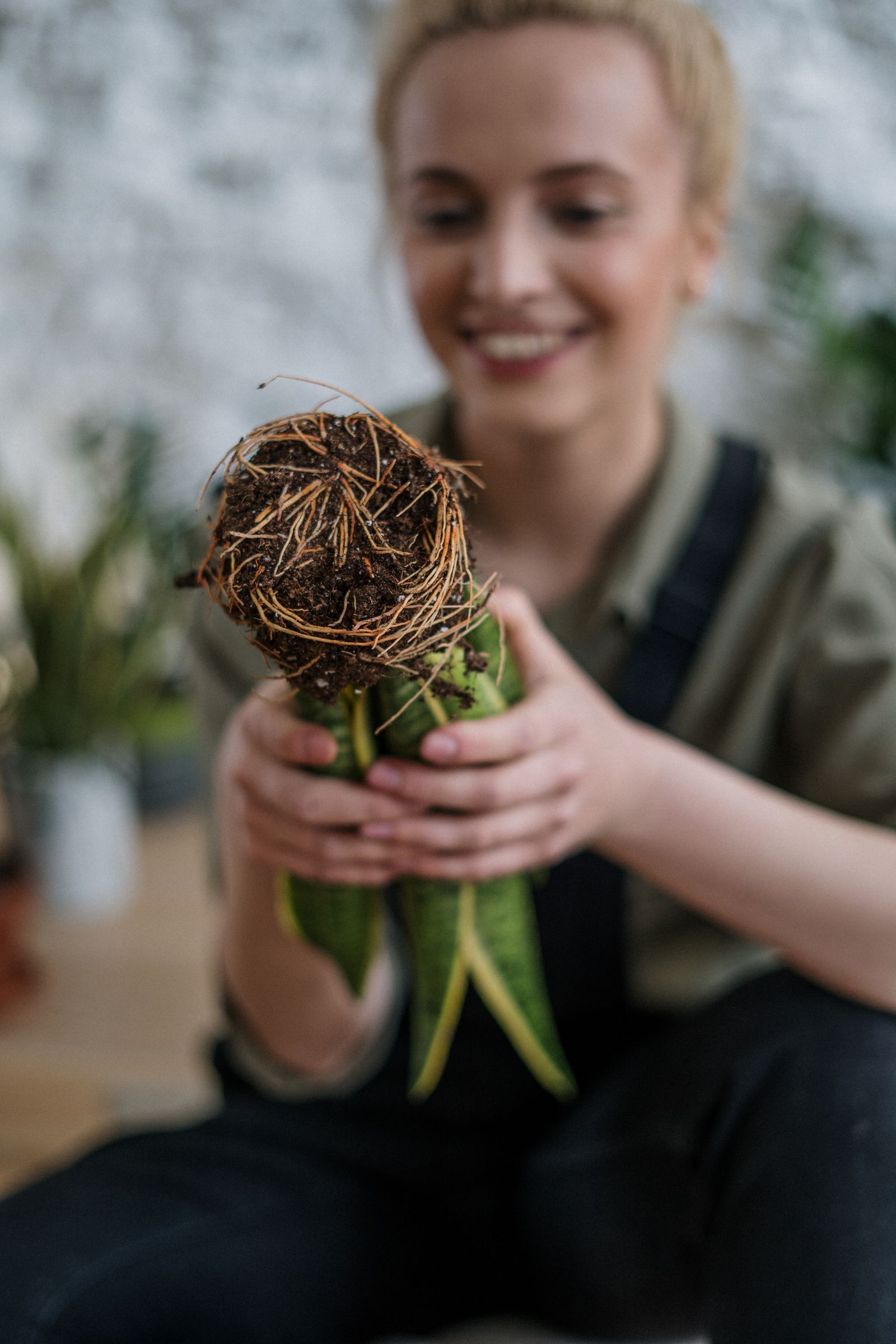
Photo: Karolina Grabowska / Pexels · free stock, attributed
Frequent watering leaches nutrients from container mix in weeks. Starter charge in bagged blend is often gone after 3–6 weeks of summer irrigation on USDA 6–8 balconies. The workable pattern is dilute and frequent — not rare full-strength doses that salt-burn roots. Hotter climates may need slightly higher frequency; colder springs need lighter feeds until growth is active.
Materials
| Item | Spec / note |
|---|---|
| Water-soluble fertilizer | N-P-K on label; separate formulas for leafy vs. flowering crops if possible |
| Slow-release pellets (optional) | Apply at potting per label g/L of mix |
| Measuring spoon or syringe | For concentrate — no “splash” dosing |
| Log | Pot ID, product, date, rate |
Baseline liquid schedule (zones 6–8)
| Crop type | Rate | Interval |
|---|---|---|
| Leafy herbs / greens | Half label strength | Every 7–14 days |
| Fruiting (tomato, pepper) | Half to full label strength | Every 7 days in peak fruiting |
| Flowering ornamentals | Half strength | Every 7–14 days during bloom push |
| Freshly potted (starter mix) | None initially | Wait 10–21 days unless mix was inert |
“Half strength” means half the label’s weekly outdoor rate unless the label already describes a continuous dilute program.
Five steps that prevent burn
- If mix is bone-dry, water with plain water first — never apply fertilizer to hydrophobic peat without a clear-water pass.
- Mix solution in a watering can; measure concentrate with a spoon or syringe.
- Apply until slight runoff; empty saucers within 60 minutes.
- If leaf margins crisp within 48 hours of feeding, flush twice with clear water and skip the next feed.
- Reduce or stop when nights approach frost, or when plants are heat-stalled and not taking up water.
Slow-release plus liquid
Slow-release mixed at potting supplies a base load for roughly 1–3 months, depending on temperature and product coating. Liquids steer bloom versus leaf growth week to week. A common balcony approach: light slow-release charge at potting plus dilute liquids in peak season — not both at full label rates.
Worm castings at 10–15% of mix volume supplement nutrition; they are not a complete fertilizer program. See soil mix and worm castings.
Reading N-P-K for pots
- Higher N pushes foliage — useful early for leafy herbs; easy to overuse on flowering pots.
- Higher P/K marketing blends target bloom; still dilute on balconies.
- Label “weekly” rates assume garden soil sometimes. Containers leach faster; dilute frequent feeding fits pots better than occasional heavy doses.
Month cues (zones 6–8)
| Month | Feeding pattern |
|---|---|
| March–April | Little or none until active growth; cold mix slows uptake |
| May–June | Begin thin weekly or biweekly feeds after establishment |
| July–August | Maintain cadence; monthly clear-water flush in hard-water areas |
| September | Taper nitrogen on plants winding down |
| October–February | Pause outdoor feeding; light feeds only on actively growing indoor plants |
Salt crust protocol
White crust on mix or pot rim signals salt accumulation.
- Water with clear water until generous runoff — twice in one session if crust is thick.
- Empty saucers completely.
- Resume at half the previous liquid strength.
- Confirm you are not stacking full-rate slow-release and full-rate liquid.
Crop-specific cautions
- Mail-order plants in settling period: wait 10–21 days — settling guide.
- Heat-wilted plants: plain water first; feed after recovery.
- Bulbs in dormancy: no fertilizer on dry resting bulbs.
- Aquatic containers: use tablet products labeled for water gardens only — general liquids feed algae (mini water lily note).
Sources
- University of Minnesota Extension — Fertilizing flower gardens and houseplants
- Penn State Extension — Growing plants in containers
- Colorado State University Extension — Container gardens