Seasonal Balcony Reset Checklist
Spring inspection and autumn teardown steps with month-by-month tasks for container gardens on USDA 6–8 urban balconies.
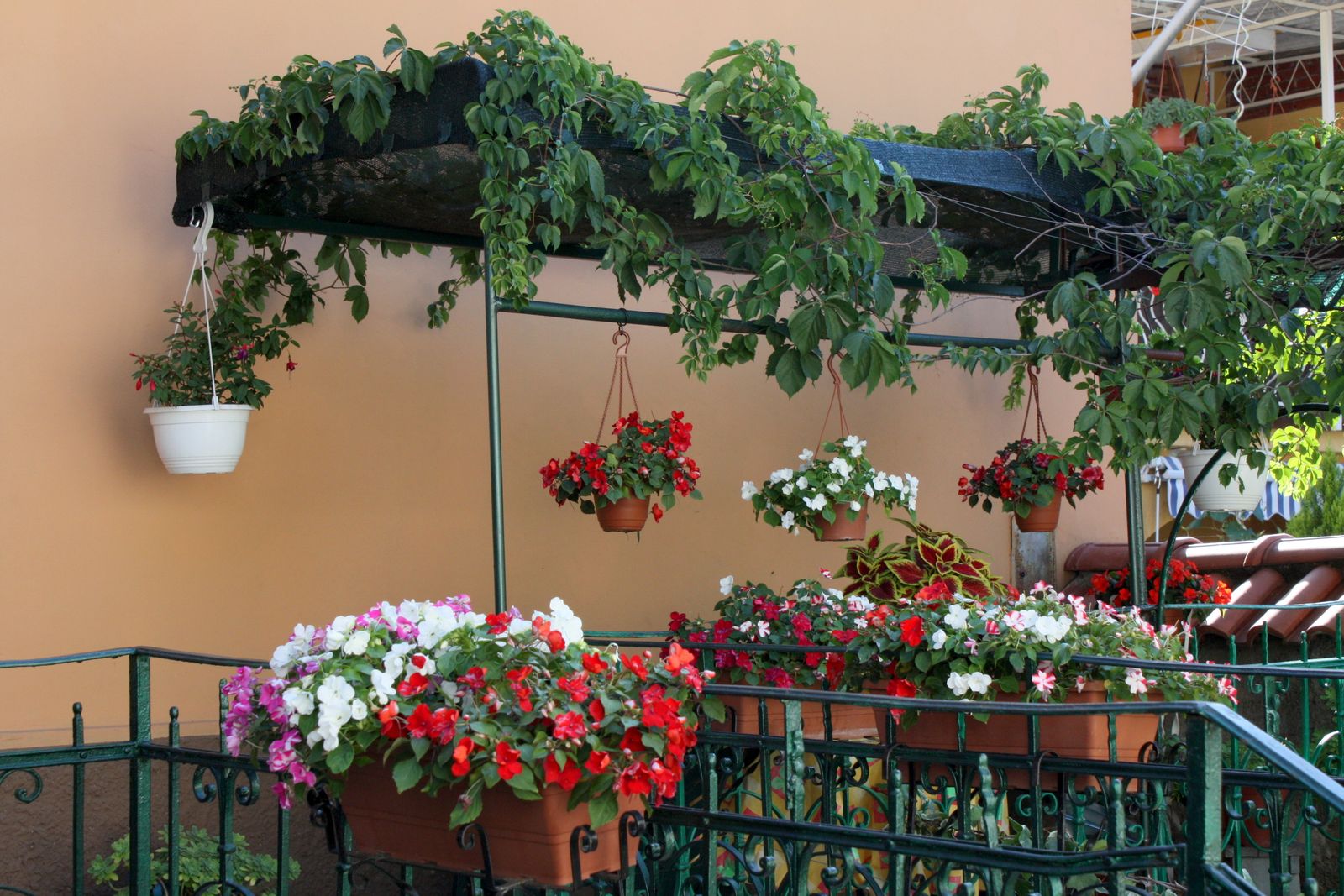
Photo: Pexels contributor / Pexels · free stock, attributed
Temperate Northern Hemisphere balconies in roughly USDA zones 6–8 need two predictable resets: spring (structure, mix, planting windows) and autumn (harvest, tender-plant decisions, winter-safe layout). Warmer zones shift spring tasks earlier; colder zones compress autumn and move pots indoors sooner. Local last-frost and first-frost dates override the month bands below.
Spring reset (March–May, zones 6–8)
Step 1 — March: structural and drainage audit
- Walk the slab. Note cracked pots, loose railing planters, and wobbly shelves.
- Remove winter debris and leaf mats blocking drain holes.
- Clear mineral crust and root plugs from each hole with a skewer or wire.
- Re-read building rules before adding fasteners or pots above verified load limits (weight tool).
- Open a log: pot label, crop, last fertilizer date.
Step 2 — April: sanitize pots and refresh mix
- Wash reusable pots in hot soapy water; rinse until runoff is clear.
- Discard collapsed or sour-smelling mix. Refill with an open container blend (peat or coir + perlite + fine bark).
- Install saucers you can empty after rain — required on many multi-unit balconies (saucer flooding).
- Quarantine new nursery stock 3–7 days away from clean herbs.
- Sow or buy cool-season crops (lettuce, spinach, peas) where light exceeds 4–6 hours.
Step 3 — May: warm-season timing and ornamentals
- Plant frost-tender crops only after your local last-frost window (often mid-May in zone 6, earlier in zone 8).
- Upsize rootbound overwintered plants by 2–5 cm pot diameter — not a single jump to a tub.
- Set stakes and soft ties at planting for tomatoes and tall flowers.
- Mount shade-cloth hardware on west rails before sustained ≥30°C heat (clip-on shade).
- Confirm a weekday watering plan: trays, bottle cache, or self-watering inserts.
Optional ornamentals this window
- Pot compact roses or lilies after frost risk (roses, lilies).
- Install clematis supports at planting — retrofitting after flop damages stems.
- Stage heat-tolerant summer flowers for June rails (rain lily / portulaca).
Spring complete when: structure is safe, mix drains, cool crops are growing, and warm crops align with frost dates.
Autumn cleanup (September–November, zones 6–8)
Step 4 — September: harvest and cull weak pots
- Harvest tender herbs before the first cold nights.
- Retire pots that never dried out or never thrived.
- Cut nitrogen-heavy feeding as growth slows.
- Stage frost cloth for clear, still nights (lightweight covers typically buffer 1–3°C — not a substitute for hard-freeze protection). See frost cloth on exposed balconies.
Step 5 — October: remove tender stock and store gear
- Pull dead annuals; do not leave slimy stems in trays.
- Store unused stakes, cloth, and light furniture that acts as a sail in autumn wind.
- Move frost-tender containers indoors or to a protected wall.
- Wash aphid honeydew and sooty mold from rails before winter.
- Do not line heavy pots on one unrated shelf without checking load limits.
Step 6 — November: freeze-safe baseline
- Empty saucers that can freeze and crack pots.
- Group hardy pots against the building wall if wind is the main winter stress.
- Store sealed fertilizer indoors.
- Brush grit off waterproofing membranes — grit under pots abrades coatings.
- Photograph the empty layout for next spring’s weight plan.
Optional cool-season color
- Pot garden mums as nights cool (chrysanthemums).
- Plant oxalis or spring bulbs for winter and early spring (oxalis, winter bulbs).
- Add primrose, viola, or cyclamen only where midday glass heat stays moderate (cool-season pots).
- Start amaryllis indoors for winter bloom (amaryllis).
Autumn complete when: tender plants are decided, debris is gone, hardware is stored, and the slab drains and is walkable.
Year map (zones 6–8 cue)
| Month | Primary focus |
|---|---|
| Mar | Inspect structure; clear drains |
| Apr | Wash pots; refresh mix; cool crops |
| May | Warm crops after frost; spring ornamentals |
| Jun–Aug | Water, shade, pests; summer flowers (e.g. jasmine, hydrangea) |
| Sep | Harvest; stage frost cloth; mums / oxalis |
| Oct | Pull tender annuals; store gear; bulb pots |
| Nov | Freeze-proof saucers; indoor forcing bulbs |
Zone 6 usually runs spring later and autumn earlier than zone 8. Urban heat islands delay autumn frost; exposed high rails chill faster than courtyard gardens.
Tasks every season
| Task | Frequency |
|---|---|
| Empty trays after rain | Same day when possible |
| Recheck railing-planter clamps | After wind events |
| Keep door-to-rail path clear | Weekly |
| Retire cracked plastic pots | Before winter ice splits them |
Skip decorative resets that add weight before you know slab and shelf limits. Effective resets are procedural: open holes, honest mix, timed planting, gear stored.
Sources
- USDA Plant Hardiness Zone Map — planthardiness.ars.usda.gov
- University of Wisconsin Horticulture — Floating row cover
- University of Maryland Extension — Vegetable garden weather and pest protection
- University of Illinois Extension — Helpful tips for creating a successful container garden