Frost Cloth on Exposed Balconies
Realistic frost protection on windy rails, drape and vent steps, and shoulder-season timing for USDA zone 6–8 balconies.
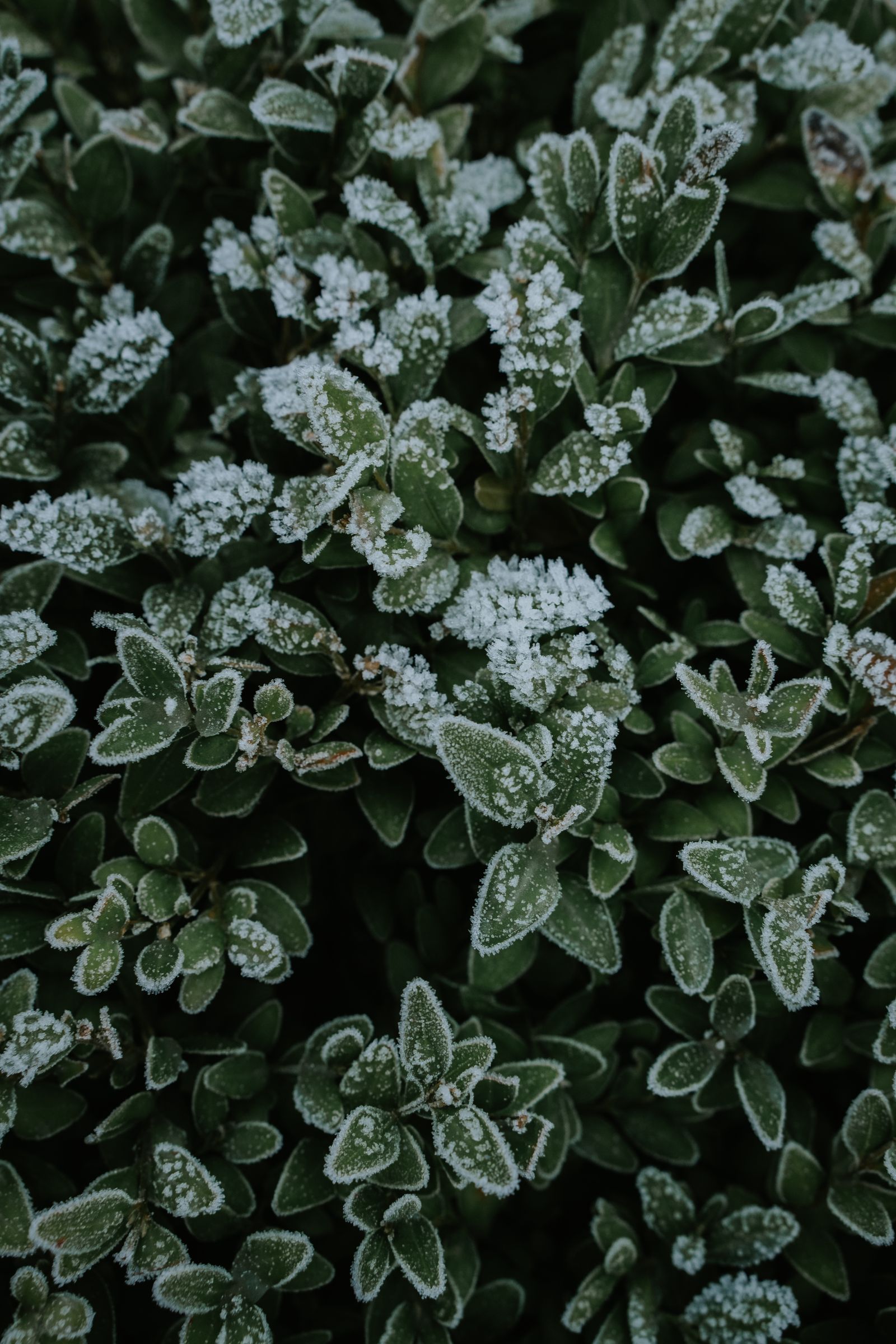
Photo: Miruna Daiana / Pexels · free stock, attributed
Temperate Northern Hemisphere urban balconies, roughly USDA 6–8. Colder climates face deeper freezes cloth cannot offset; hotter zones use covers mainly for rare spring cold snaps.
What frost cloth can and cannot do
Floating row cover traps a thin warmer air layer on radiation-frost nights. Extension sources commonly cite about 2–5°F (1–3°C) of protection for lightweight covers—enough for a brief dip near 30°F (−1°C), not enough to substitute for moving tropicals indoors.
Wind strips benefit on exposed high-rise rails faster than sheltered beds. Flapping fabric loses the boundary layer. Advective freezes (cold air mass plus wind) deliver less protection than still, clear nights.
Frost cloth is not a substitute for accepting that tender basil is finished after a hard freeze.
Materials
| Material | Use | Notes |
|---|---|---|
| Lightweight spunbond row cover | Spring/fall nights | Light and water penetrate; easy to clip |
| Heavier frost blanket | Colder short events | More potential protection; vent by day when sun returns |
| Clear plastic alone | Avoid as sole drape | Condensation and burn risk; vent carefully if layered |
Prefer fabric sold as frost or row cover over bed sheets—wet sheets freeze stiff and crush soft growth.
Drape, clip, ventilate — numbered steps
- Water earlier if mix is dry—hydrated tissue tolerates cold slightly better than drought stress; empty saucers before night so ice does not lift pots.
- Drape to the pot rim or deck, not only over top leaves, to enclose the canopy air pocket.
- Clip to pots or a low hoop with spring clamps—not a single brick on a corner in wind.
- Keep fabric off foliage with stakes or stiff wire hoops when possible; frozen wet cloth on leaves damages tissue.
- Ventilate when sun returns. On a ~50°F (10°C) morning after frost, trapped sun can overheat covers by mid-morning—open or remove.
- Uncover for pollination when flowers need insect visits during mild daytime stretches.
Do not seal cloth as an airtight bag with candles, string lights, or improvised heaters—fire and carbon monoxide risk.
Shoulder seasons (zones 6–8)
| Season | Timing cue | Typical cover targets |
|---|---|---|
| Spring | After average last frost, when forecasts still flirt with freezing | Hardening-off trays, early tomatoes/peppers, basil transplants |
| Autumn | Before average first frost, clear still nights | Late salad greens, ripening peppers, soft herbs |
Zone 6 often watches April–May and late September–October; local dates vary. Zone 7–8 shoulders are shorter in spring, later in fall, but balcony wind can run colder than courtyard readings at the same address.
Use a local extension frost-date resource, not a generic national chart. Heat islands delay autumn frost; exposed balconies often frost earlier than street-level gardens.
Worth covering vs. harvest instead
Cover for one–two nights: young tomato and pepper transplants, cucumber starts, basil, tender annual flowers during a marginal dip.
Often skip cover: hardy kale, spinach, pansies, and plants already rated for the forecast low.
After tissue blackens from hard freeze, cloth will not revive dead cells. Remove collapsed growth; prevent roots sitting in ice-cold saturated mix.
Night-of checklist
- Forecast low and wind speed recorded
- Cloth dry enough to handle
- Clamps staged before dark
- Morning path clear to remove covers
- Saucers emptied