Why Your Balcony Saucers Keep Flooding Neighbors
Tray emptying, pot feet, deck slope, and self-watering overflow mistakes that send water to the apartment below—USDA 6–8 drainage etiquette.
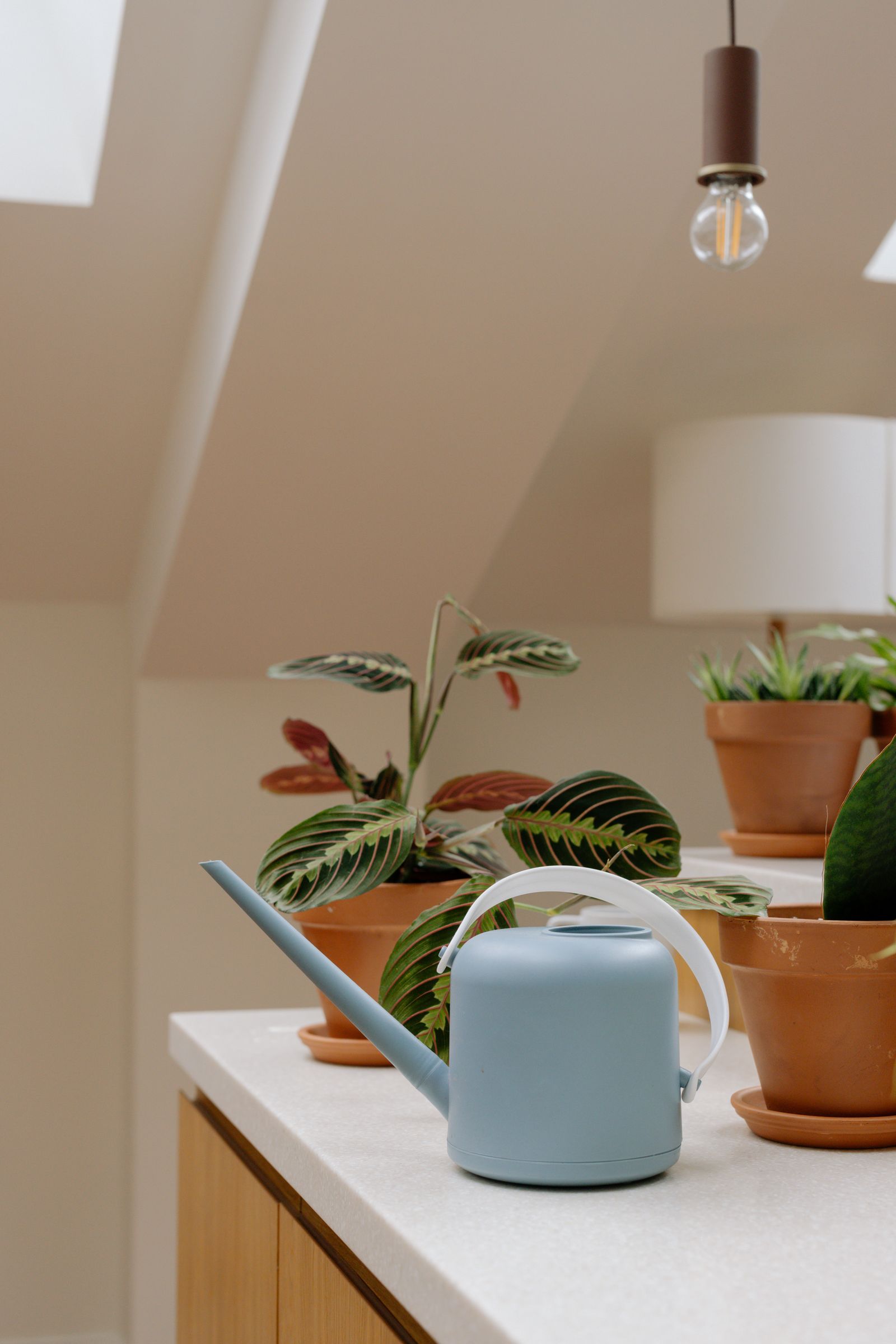
Photo: cottonbro studio / Pexels · free stock, attributed
On temperate urban balconies (roughly USDA 6–8), summer watering often means daily runoff. One overflowing saucer on a third-floor rail becomes a stain on the patio below. Hotter climates water more often; colder ones still flood neighbors when spring trays sit full for days. Drainage is plant health and building etiquette.
Why water leaves your slab
After thorough watering, excess exits the drain hole within minutes. A small, half-full, or rail-tilted saucer lets that pulse crest the rim and sheet toward the outer edge. Night rain on trays does the same without anyone at the watering can.
Self-watering units weep for hours when the reservoir is overfilled past the overflow, the overflow is clogged, or the unit sits tilted—often worse for downstairs neighbors than one pour.
Etiquette steps
- Water in place, then empty. Moisturize the full root zone until brief runoff appears. Within 30–60 minutes, tip saucers into a bucket or indoor drain—not over the rail.
- Size trays to pots. A 25 L tomato pot needs a tray that holds a short flush without cresting.
- Use risers. Pot feet, tiles, or a wire stand lift the pot 1–2 cm so the drain hole is not sealed to the tray bottom.
- Respect deck pitch. Many balconies slope toward a scupper or outer edge. Aim overflow inward to a controlled lipped tray.
- Before storms ≥ 10–15 mm, empty trays or move pots under cover—autumn fronts in zones 6–8 are common overflow events.
- Never drain intentionally over the side, including fertilizer solution—it stains concrete and glass.
If the lease restricts open watering, use a tub or utility sink on heavy water days.
Self-watering pitfalls
| Setup | Risk | Fix |
|---|---|---|
| Reservoir above overflow line | Continuous drip | Fill only to marked level; confirm overflow is open |
| No overflow port | Saturation + incidental drip | Choose models with visible overflow; elevate unit |
| Wicking in fabric pots | Sidewall weep | Hard tray underneath; empty daily in heat |
| Shared capillary mats | Wick over rail edge | Keep mat short of edge; use lipped tray |
Flush salts every 2–3 weeks in hot weather by top-watering until light runoff, then empty—over a bucket, not in place above someone else’s table.
Layout that contains runoff
- Group heavy waterers on one lipped waterproof mat.
- Water railing boxes with a narrow spout to limit misses.
- Place thirstiest pots nearest the door for easy spill cleanup.
- On stacked buildings, design for zero intentional discharge off the slab.
Seasonal cues (zones 6–8)
| Period | Note |
|---|---|
| Apr–May | Cool mix holds water longer—empty trays even when plants look fine |
| Jun–Aug | Daily watering; on ≥ 32°C days with twice-daily water, empty trays morning and evening |
| Sep–Oct | Empty before overnight storm fronts |
| Winter | Store saucers dry—ice cracks plastic, then floods on thaw |
Quick checklist
- Drain holes open; pots on feet.
- Saucer emptied after every thorough watering.
- Self-watering overflow tested with a jug before the first heatwave.
- No rail-edge drip into public airspace.
- Building drainage rules read once and followed.