Yellow Leaves on Balcony Flowers — Field Diagnosis
Tell nitrogen deficiency, iron issues, overwatering, underwatering, and low light apart by which leaves yellow first — with a symptom table before you buy fertilizer.
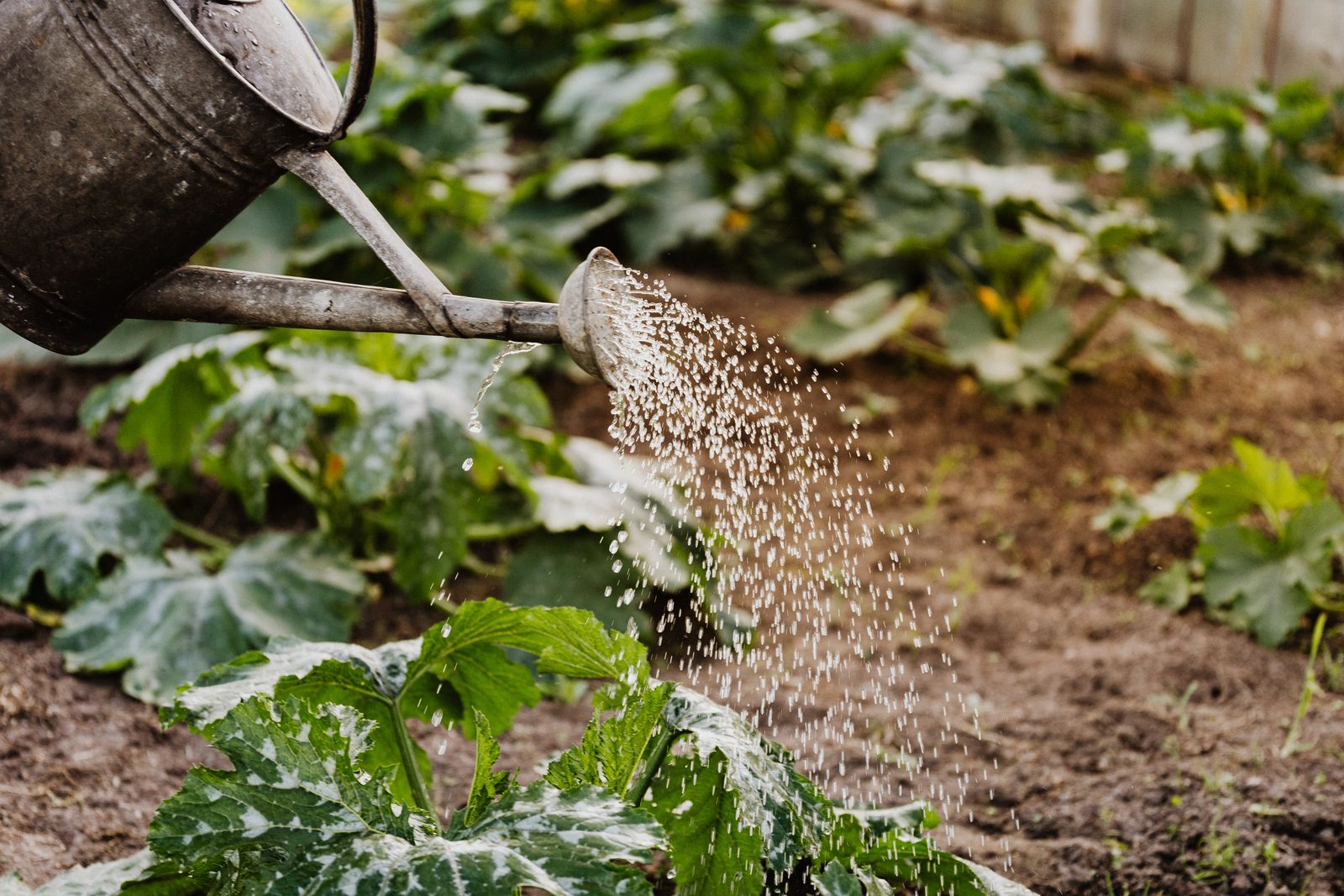
Photo: Karolina Grabowska / Pexels · free stock, attributed
USDA 6–8 urban balconies yellow container flowers for boring reasons: empty nitrogen after weeks of watering, wet mix after rain, heat drought on west rails, and odd light. Heatwaves elsewhere accelerate drought yellowing; cold nights can mimic nutrient stress after a chill. Read the pattern before buying another bottle.
Yellow is a symptom, not a diagnosis
Containers run out of nitrogen faster than garden beds, stay wet longer after rain if drainage is poor, and sit in odd light. Guessing “needs feed” every time a leaf pales is how pots get salt-burned.
Read which leaves change first, how the mix feels, and what changed last week (repot, fertilizer, cold night, moved to a darker corner).
Critical rule: nitrogen shows on older leaves first
Nitrogen is a mobile nutrient. When supply runs short, the plant moves N from mature foliage into new growth. So nitrogen deficiency shows first on older, lower leaves — typically a fairly even pale green to yellow — while the newest leaves stay greener longer.
It does not start as uniform pale color on brand-new tips. Pale new growth points elsewhere (often iron or other immobile nutrients, root damage, or cold-stunted roots).
Iowa State University Extension’s nutrient guides group nitrogen with other mobile nutrients that appear first on older leaves. Treat that pattern as the default for N shortage in pots that have not been fed for weeks — common on heavy summer bloomers in small volumes.
Symptom table
| Likely cause | Which leaves | Look / feel | First response |
|---|---|---|---|
| Nitrogen (N) deficiency | Older / lower first | Even pale green→yellow; plant may be small overall | Balanced liquid feed at label rate; do not stack products |
| Iron (Fe) issue | Younger / upper first | Yellow leaf with veins often still green (interveinal) | Check pH and overliming; use iron product labeled for containers if needed |
| Overwatering / poor drainage | Often lower or widespread | Soft, dull leaves; mix stays wet; possible sour smell | Stop watering; clear holes; empty saucer; improve mix |
| Underwatering / heat drought | Edges and older leaves common | Crispy margins; light pot; mix pulls from pot wall | Deep water until drain runs; shade peak heat; larger pot later |
| Low light | Whole plant trend | Stretchy stems, large gaps, pale overall, weak new growth | Move to brighter open shade or sun suited to the species |
Natural aging: one or two lowest leaves yellow slowly on an otherwise firm, growing plant. That is often shed, not a crisis — especially after a flush of bloom on chrysanthemums or roses.
Quick checks before buying potions
- Finger-test the top 2–3 cm of mix; lift the pot for weight.
- Confirm drainage holes are open and the saucer is not a permanent lake.
- Note old vs new leaves (a phone photo helps).
- Recall last fertilizer date and strength.
- Flip leaves for aphids or mites that yellow tissue while they feed (aphids and fungus gnats).
- Think about recent cold: nights near freezing can yellow tender annuals without a nutrient plot twist.
If a white crust sits on the mix surface after months of feed, flush with plain water until drainage runs clear, then empty the saucer. Salt stress yellows and burns edges; more fertilizer makes it worse.
Container-specific patterns in zones 6–8
| Season | Common yellowing story |
|---|---|
| April–May | Cold nights + wet mix after spring rain; overwatering more likely than N shortage on brand-new transplants |
| June–August | Underwatering and heat on west rails; N drawdown in heavy bloomers if never fertilized |
| September–October | Short days + cooler roots; slow growth looks pale; reduce feed as growth slows |
| Winter (overwintered pots) | Low light indoors or on north rails; water less; pale new growth is often light/root related |
What not to do
Do not apply three fertilizers in one weekend. Do not strip every pale leaf if green tissue remains. Do not treat iron and nitrogen as interchangeable — they show on opposite ends of the shoot. Do not ignore a sour, swampy smell; refresh mix (soil mix and worm castings).
Sources
- Iowa State University Extension — Nitrogen deficiency (older leaves)
- Iowa State University Extension — Iron deficiency (newer leaves)
- Iowa State University Extension — Identifying plant nutrient deficiencies
- University of Maryland Extension — Nutrient deficiency of vegetable plants