Aphids and Fungus Gnats on Balcony Flowers
Confirm aphids vs fungus gnats on container flowers, then isolate, water-blast, labeled soap, dry the top 2 cm of mix, sticky cards, and Bti on a short repeat.
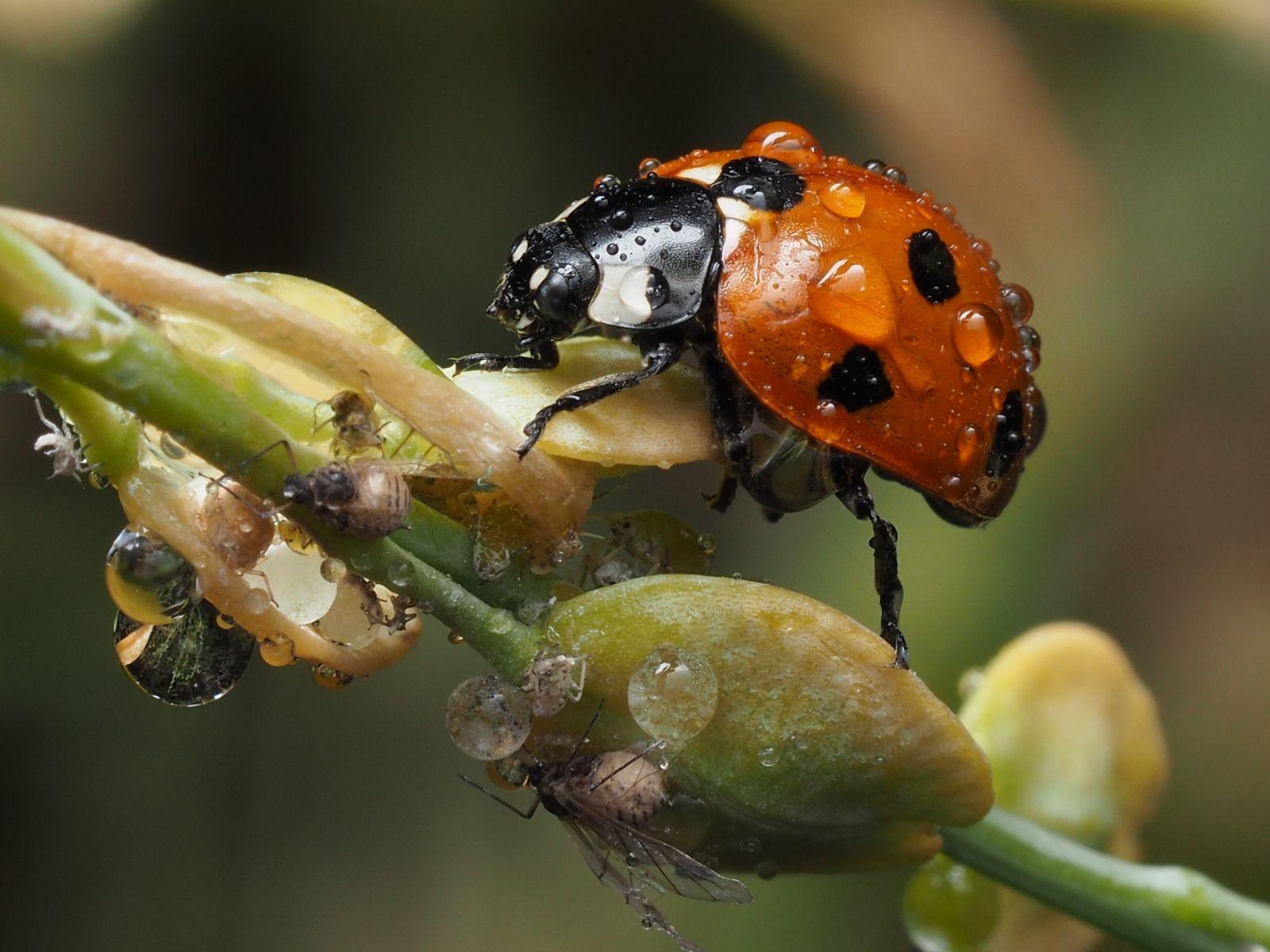
Photo: Ali Goode / Pexels · free stock, attributed
USDA 6–8 urban balconies favor aphids on soft flower flush and fungus gnats in pots that never dry at the surface. Hotter, drier facades add spider-mite pressure beside aphids; cool wet springs keep gnat larvae active in constantly moist mix. This guide is for ornamental containers — roses, hydrangeas, annual color pots, and bulb trays — not food-crop spray rules.
Two pests, two habitats
Aphids cluster on shoots and leaf undersides, sucking sap and shedding sticky honeydew. Fungus gnats are small dark flies that breed in wet mix; larvae feed on organic matter and fine roots near the surface. Tools that work on one pest rarely solve the other.
Integrated pest management (IPM) order stays the same: confirm the pest, fix culture first, then use the least disruptive labeled product that fits the plant.
Aphids on balcony flowers
Confirm
Pear-shaped soft insects (green, black, yellow, or pink) on soft tips; sticky leaves; ants farming honeydew; distorted new growth on roses, chrysanthemums, and tender annuals. Check undersides before spraying anything.
Steps that work in tight spaces
- Isolate the pot from clean plants so crawlers and winged adults do not travel along a crowded rail.
- Blast with a sharp stream of water in the morning so foliage dries the same day. Support stems with a hand; repeat daily for several days.
- Wipe or prune the worst tips into a bag; do not shake them onto neighboring bloomers.
- Insecticidal soap labeled for aphids on ornamentals: coat undersides, follow the label rate, test a few leaves first, and avoid hot midday sun that raises burn risk. Soft soap is not a “more is better” kitchen experiment.
- Re-check in 3–5 days. Aphid populations rebound from missed nymphs.
On a sealed balcony, lacewings and lady beetles are scarcer than in a garden, so mechanical removal matters more. Skip broad-spectrum leftover sprays that wipe out the few beneficials that do show up.
Fungus gnats in container mix
Confirm
Tiny mosquito-like flies rise when pots are watered or moved. Larvae are slender and translucent with dark heads in the top layer of mix. Adults are a nuisance; larvae can stunt seedlings and soft cuttings.
Cultural control first
| Action | Detail |
|---|---|
| Dry the top layer | Let the top ~2 cm (about ¾ inch) of mix dry between waterings when the species allows |
| Empty saucers | Standing water keeps the surface hospitable |
| Remove rotting debris | Dead petals and leaves on the mix feed larvae |
| Yellow sticky cards | Near the pot rim to monitor and catch adults |
Overwatering “to be safe” after every heat scare is the usual balcony cause. North exposures and cool April–May weather keep mix wet longer — water by pot weight and finger test, not by calendar alone. Flowering plants that need even moisture still benefit from a dry surface crust; water thoroughly, then wait.
Bti and nematodes
Bacillus thuringiensis israelensis (Bti) products labeled for fungus gnat larvae in potting mix are the standard next step when drying alone is not enough. Follow the label. Extension guidance commonly calls for repeats about every 5 days while adults are still emerging, because Bti targets larvae, not eggs or flying adults.
Optional: beneficial nematodes such as Steinernema feltiae, applied when mix temperatures suit the product label, can reduce larval numbers. Keep treated mix moist enough for nematode survival per instructions — that requirement can conflict with a hard dry-down, so sequence cultural drying and nematode timing carefully.
Sticky cards catch adults but do not end breeding alone. Pair them with drier surfaces and a larval treatment when counts stay high.
Shared balcony etiquette
- Rinse honeydew off railings so sooty mold and ants do not become a hallway issue.
- Do not dump infested mix down a shared drain without checking building rules.
- Quarantine nursery purchases for a week on a separate tray when possible — soft new growth on mail-order flowers often arrives with hitchhikers.
Month cues (zones 6–8)
| Window | Typical pressure |
|---|---|
| April–June | Aphids on soft new growth; fungus gnats in cool wet pots |
| July–August | Aphids continue on lush feeders; gnat pressure drops if mix surfaces dry faster in heat |
| September–October | Aphids on late flush; cool rains restart gnat breeding |
For yellow leaves that are not pest-driven, see yellow-leaf field diagnosis. For watering rhythm that keeps the top dry without crisping roots, see watering containers through heat.