Five Forgiving Balcony Flowers for Beginners
Five heat- and miss-water-tolerant flowers for USDA 6–8 balcony pots, with light needs, pot volumes in liters, and a two-week settling schedule.
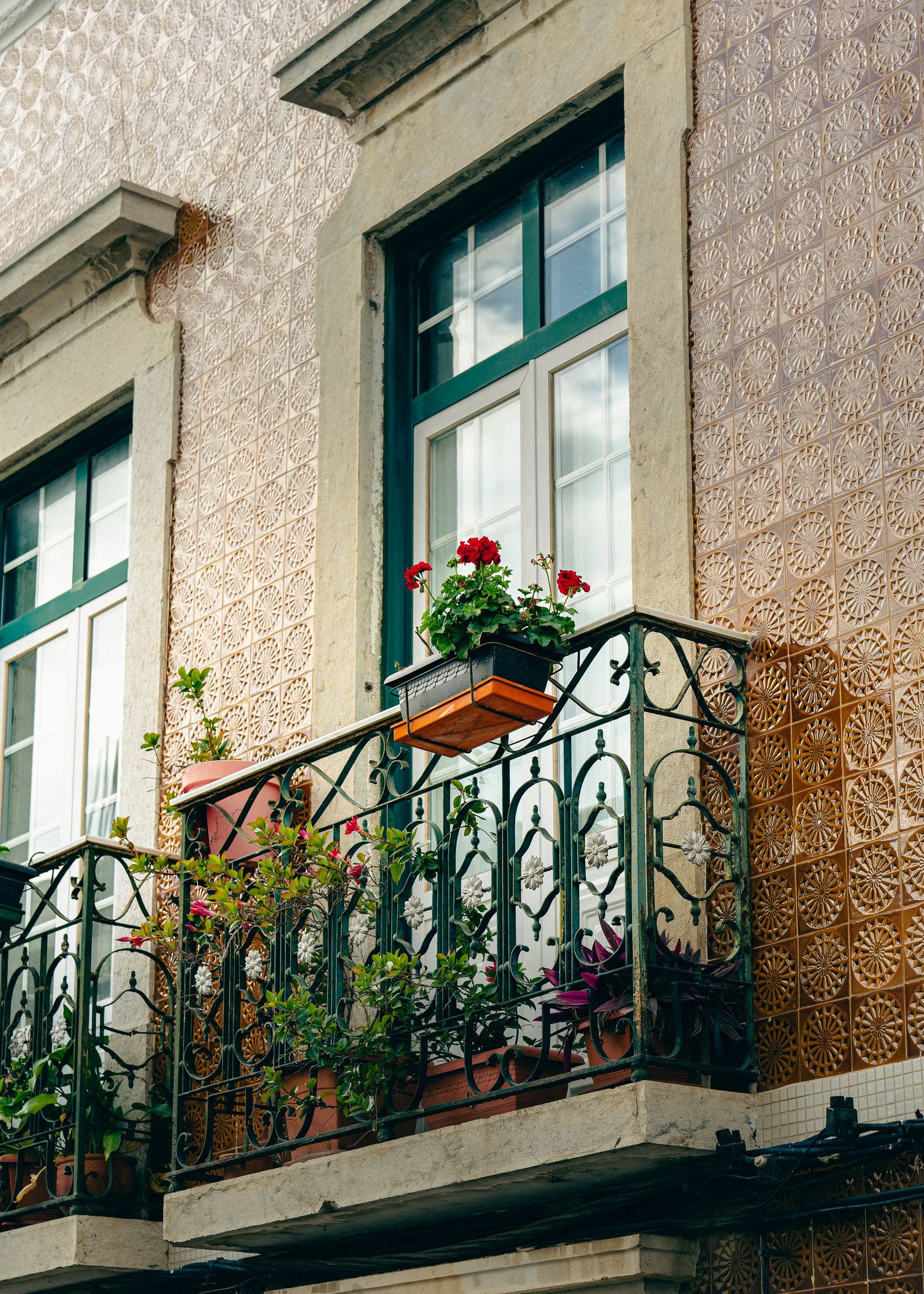
Photo: Ahmet Yüksek / Pexels · free stock, attributed
USDA 6–8 urban balconies punish beginners who start with roses, clematis, and water gardens at once. These five flowering plants tolerate an occasional missed watering or a slightly undersized pot better than high-maintenance bloomers. They still need drainage, matched light, and the 5 cm finger test. Hotter cities need more afternoon shade for lily and plumbago; colder sites bring amaryllis indoors earlier.
What “forgiving” means
Forgiving does not mean neglect-proof. It means the plant survives common beginner errors — one dry day, a saucer left full once, potting in heat — long enough to learn the balcony’s rhythm. Start with one or two species before filling every rail.
| Plant | Light (zones 6–8) | Pot volume | Primary risk |
|---|---|---|---|
| Blue plumbago (Ceratostigma) | 4–6+ h sun or bright open shade | 7–12 L | Leggy stems in deep shade |
| Amaryllis (Hippeastrum) | Bright winter window; outdoor after frost risk | Pot 2–3 cm wider than bulb | Overwatering dormant bulbs |
| Asiatic / LA lily | 6+ h sun preferred | 4–8 L for 1–2 bulbs | Soft bulbs in soggy mix |
| Rain lily (Zephyranthes) | Half-day sun to bright shade | 3–5 L shallow; several bulbs | Rot if saucers stay full |
| Portulaca / moss rose | Full sun | 3–8 L shallow tray | Few blooms if shaded |
Materials
- Pots with open holes; mesh over large openings only (no gravel layer)
- Drainable container mix
- Watering can with gentle rose
- Soft ties for floppy post-bloom stems
- Half-strength liquid feed labeled for flowering plants (after week 2–3)
Setup steps
- Match exposure to species. West rails above 32°C suit portulaca and rain lilies; cooler east ledges suit plumbago and lilies with light afternoon shade.
- Pot in the evening when nursery stock is dry-looking. Keep the root ball intact. Water to runoff; empty saucer within 30–60 minutes.
- Quarantine new pots 3–7 days away from clean herbs; check leaf undersides for aphids.
- Water when the finger test is dry at 5 cm — not on a fixed weekday. Heatwaves: watering through heat.
- Feed after roots establish (typically 2–3 weeks): half-strength liquid every 7–14 days during active growth; pause as nights approach frost.
Verification checks
- After watering, the pot feels heavier and runoff appears within about a minute on a drainable mix.
- Portulaca flowers open in sun and may close in deep shade — move the pot; do not increase water.
- Rain lily foliage yellowing while mix stays wet → cut water; elevate pot on feet.
- Amaryllis leaves floppy with sour mix → unpot, trim rotten roots, refresh mix, water sparingly until new roots.
Defer for later
Large hybrid tea roses, clematis without a rated support, and water gardens on untested slabs belong in advanced guides after weight limits, wind, and watering rhythm are predictable.
Two-week schedule
| Day | Task |
|---|---|
| 0 | Evening pot-up if hot; water to runoff; empty saucer |
| 1–3 | Bright shade; pest check |
| 4–7 | Add 1–2 h direct sun per day toward target exposure |
| 8–14 | Full chosen exposure; hold fertilizer unless mix was inert |
Site tools and follow-on reads
- Wet weight for a row of 12 L pots: pot soil weight tool.
- Mix ratios: soil and worm castings.
- Mail-order settling: nursery plants.
When to add a harder plant
If these five survive one hot week and one rainy week on your balcony, add one demanding plant — compact rose, hydrangea, or clematis — not three at once. Keep forgiving species on the hottest rail edge so new purchases can sit in milder micro-sites while settling.
Catalog variety names differ by region. Buy healthy stock with clear light requirements on the tag; local frost dates override generic month labels on packaging.
Sources
- Penn State Extension — Growing plants in containers
- Colorado State University Extension — Container gardens
- University of Minnesota Extension — Growing bulbs