Enclosed Balcony Growing Setup
Ventilation, heat stacking, shelving load, and flower-forward plant picks for glazed or enclosed urban balconies in USDA 6–8 climates.
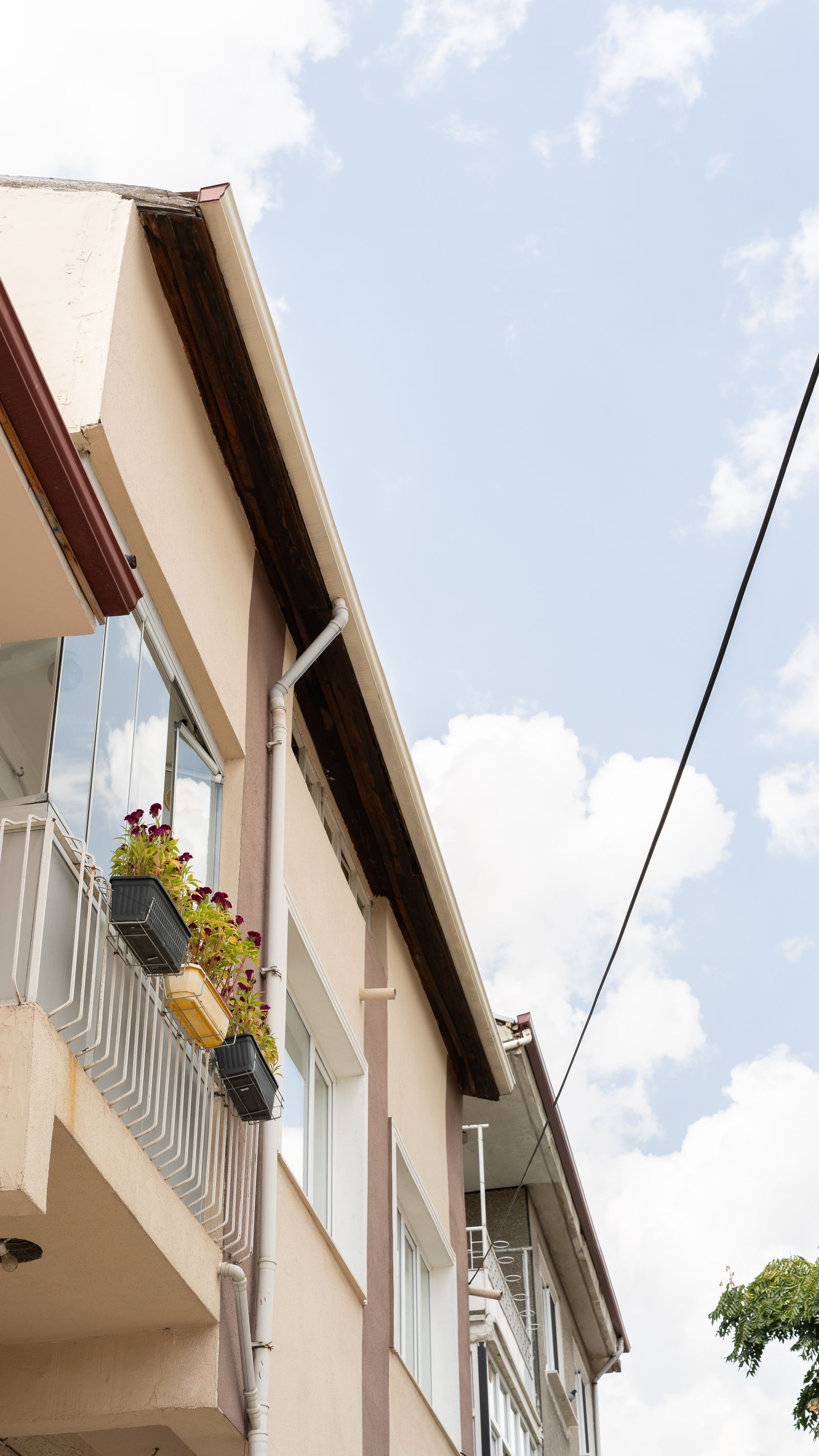
Photo: Pexels contributor / Pexels · free stock, attributed
Glazed or enclosed balconies behave like small greenhouses: useful in shoulder seasons, risky in midsummer. This guide targets temperate cities roughly USDA 6–8 and focuses on ornamental containers (flowers and foliage), not vegetable trials. Confirm what your building allows for shelves, fasteners, and drainage before you buy racks.
1. Measure before you buy pots
- Ventilation — Note whether vents or doors open wide enough for cross-flow. Stagnant air favors mildew and spider mites.
- Peak glass temperature — On a clear day in May and again in July, log afternoon highs near the glass (a phone thermometer is adequate). Peaks above 32–35°C (90–95°F) stress most blooming annuals.
- Direct sun hours — Compare floor vs. shelf zones; see reading balcony light.
- Wet load — Estimate filled pot mass with the pot and soil weight tool. Ask building management how balcony live load is defined; do not guess slab capacity from online charts.
2. Layout steps (typical 1.2 × 2.5 m enclosed slab)
- Keep a center aisle ≥ 60 cm clear for egress and watering.
- Place heaviest pots (≥ 15 L, water-filled or large shrubs) on the floor along the building wall, not on mid-span shelves.
- Use freestanding racks with a published tier load rating that exceeds your estimated wet total, including margin.
- Stage by heat: upper shelves run 3–8°C hotter than floor level near south or west glass in summer.
- On west glass, install 30–50% shade cloth before heatwaves; clip to frames so 10–15 cm of airflow remains at the bottom edge.
- Plan drainage: every saucer or tray must be emptiable indoors or into a bucket—enclosed floors still leak through seams and door thresholds.
| Zone | Placement | Rationale |
|---|---|---|
| Floor, wall side | 15–30 L shrubs, cachepots | Shorter heat path, better load distribution |
| Mid shelf | 5–10 L flowering pots | Within reach for watering |
| Top shelf near glass | Heat-tolerant stock only, or empty mid-July | Hottest microclimate |
| Door swing arc | Nothing | Fire egress and hinge clearance |
3. Flower and foliage picks for enclosed glass
| Season / role | Examples | Caveat |
|---|---|---|
| Cool bright shoulder | Violas, primrose, ranunculus, cool-season annuals | April glass heat spikes on south bays |
| Filtered summer bloom | Hydrangea (macrophylla types), fuchsias, impatiens, shade-tolerant begonias | Requires cracked vents by day |
| Heat-tolerant accents | Portulaca, certain pelargoniums | Still risky if peaks stay > 35°C |
| Poor first choices | Large water tubs, unsecured tall racks, full-sun heat lovers sealed all July | Heat + humidity + weight |
Start with proven performers from five forgiving balcony flowers and cool-season color pots before loading the space with demanding bloomers.
4. Ventilation and airflow routine
- Crack vents whenever outdoor air is cooler than the enclosed peak reading.
- On still hot days, run a small clip fan across foliage (not directly on dry soil) to cut mite pressure; 5–10 W USB fans are enough for a single rack bay.
- Do not seal the room “for tropical humidity” all summer—night condensation already elevates RH.
- Wipe interior glass of algae and dust late winter; even thin film can drop usable PAR 10–20%.
5. Watering and neighbor etiquette
- Water to even moisture; enclosed corners can stay wet while sun strips dry in 24–48 hours.
- Use rigid trays you can carry to a sink—avoid a row of soft saucers that never get tipped.
- Finger-test top 2–3 cm of mix between waterings rather than a fixed calendar.
- Scout for mites weekly in warm, dry enclosed air (> 25°C, low RH).
If interior peaks stay above ~35°C with poor venting, move heat-sensitive bloomers outdoors or indoors for July–August and leave only the toughest stock inside.
Materials checklist
| Item | Spec guidance |
|---|---|
| Freestanding rack | Manufacturer wet-load rating per shelf; wide footprint |
| Shade cloth | 30–50% knit, hemmed edges; white runs cooler than black at same % |
| Clip hardware | Spring clamps with padded jaws; avoid railing drill without approval |
| Trays | Lip height ≥ 2 cm; volume matched to largest pot flush |
Sources
- Penn State Extension — Growing Plants in Containers
- Colorado State University Extension — Container Gardens
- University of Minnesota Extension — Growing vegetables in containers (container drainage and size principles apply to ornamentals)