Reading Balcony Light and North Exposures
Measure direct sun versus open shade on an urban balcony, choose crops for true north faces, and use phone light apps only for spot comparisons.
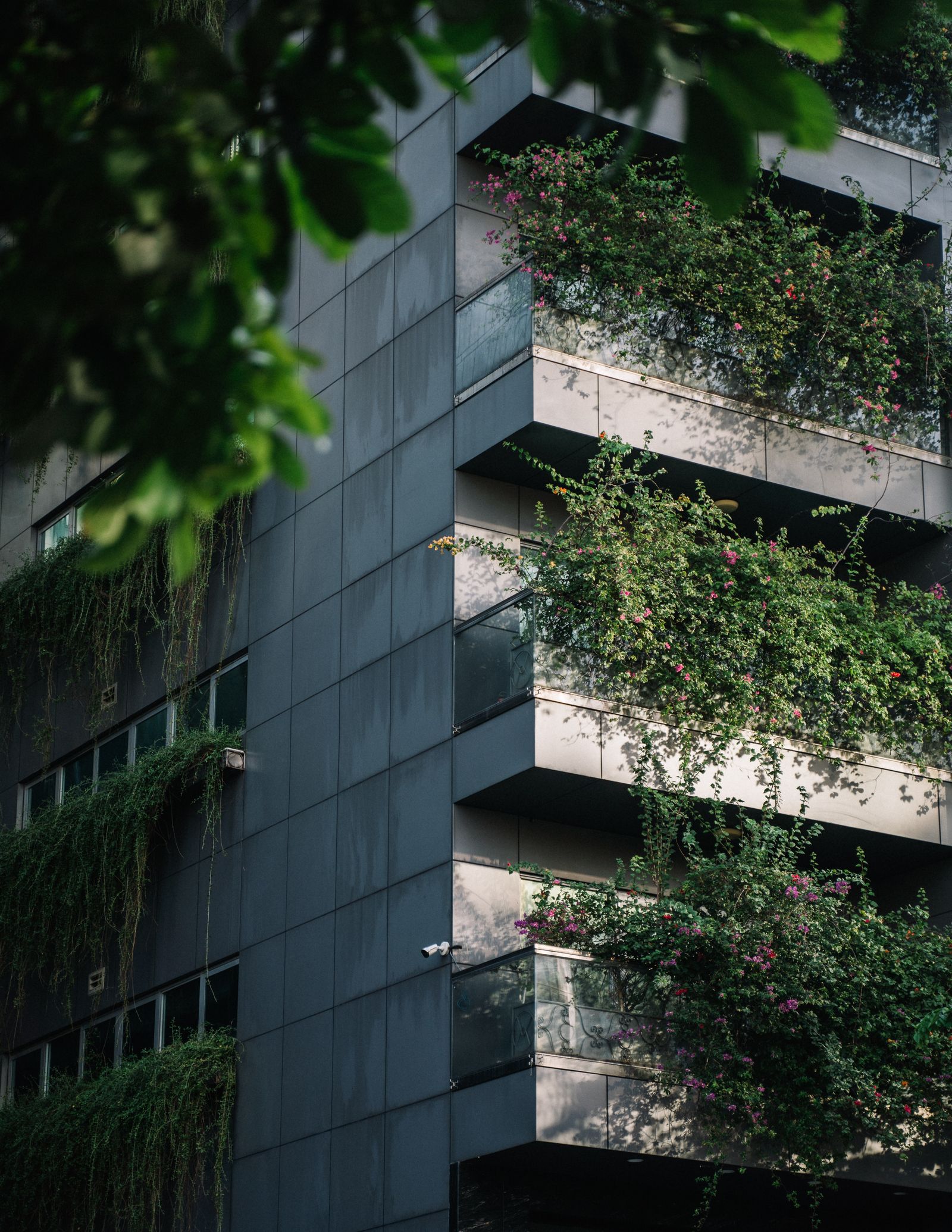
Photo: Anna Tarazevich / Pexels · free stock, attributed
Temperate Northern Hemisphere urban balconies in USDA zones 6–8 share a common problem: the compass label on the lease does not match what roots experience. Hotter climates add reflected glare and afternoon heat on seemingly shady walls; colder zones shorten the outdoor season and raise frost risk on the same exposure. Map the site before buying sun-hungry crops.
Three light levels to record
Compass direction is only a sketch. A nominally south balcony behind a taller tower can behave like open shade. A north rail facing pale glass can receive hours of bounced light that outperforms a tree-shaded south edge.
Classify what you see in three buckets:
- Direct sun — a hard shadow edge moves across the floor; you can cast a sharp hand shadow at midday.
- Bright open shade — no direct beam, but sky is visible and surfaces look evenly lit.
- Deep shade — sky is mostly blocked; walls look dull by noon and a white page looks gray.
Adjacent buildings, awnings, and balcony overhangs usually matter more than the street address. On one clear day, note conditions at roughly 9:00, 12:00, and 16:00. Log minutes of direct sun, not a vague “it looks bright.” Fruiting tomatoes and peppers need several hours of direct sun for reliable yields; salad greens and many herbs tolerate bright open shade.
How to survey the balcony in one day
- Print a simple grid: time slots down the left, positions (rail, corner, floor, upper shelf) across the top.
- At each slot, mark D (direct), B (bright open shade), or S (deep shade) for each position.
- Note reflected surfaces: pale concrete, white stucco, or glass across the courtyard.
- Sum direct-sun minutes for the brightest strip where edibles will sit.
- Match crops to that strip; do not place fruiting crops in the brightest shade you measured.
| Observation | Likely need |
|---|---|
| Under 2 h direct on the crop spot | Leaf crops, shade ornamentals, or supplemental light indoors |
| 4–6 h direct | Most herbs, compact peppers, bush tomatoes |
| 6+ h direct | Full-sun flowers, portulaca, many fruiting crops |
Enclosed or glazed balconies
Glass raises winter light usefulness and summer heat at once. Treat an enclosed balcony as its own microclimate:
- Record peak afternoon temperature near the glass in May and July. Readings above 32–35°C with poor ventilation stress hydrangeas and many cool-season pots.
- Upper shelves near glass run hotter than the floor; place heat-sensitive plants lower and leave air gaps behind pots.
- Wipe dusty or condensed glass in late winter before deciding a corner is too dark.
- Crack vents whenever outdoor air is cooler than the enclosed peak. Stagnant warm air favors mites and mildew.
For rack layout and plant roles behind glass, see enclosed balcony setup. Reflected light from pale walls can add heat and leaf scorch even when a meter reads “shade.” Dark brick and deep courtyards stay cooler, dimmer, and slower to dry.
North exposures without forcing full sun
True north balconies in the Northern Hemisphere receive little or no direct sun for much of the year. That is a crop filter, not a gardening failure. Choose shade-tolerant plants and skip crops that need high light for flowering and fruit set.
Shade-tolerant edibles and herbs
| Crop | Notes for north / deep open shade |
|---|---|
| Lettuce, mesclun, spinach | Cool-season; slower to bolt than on west glare |
| Arugula, mizuna, mustard greens | Fast leaf crops; harvest young |
| Swiss chard | Better in cooler shade than fruiting crops |
| Parsley, chives, cilantro | Prefer cool; cilantro bolts in heat |
| Mint (dedicated pot) | Isolated pot; aggressive roots |
| Lemon balm | Soft herb for bright shade |
| Sorrel | Leafy; perennial in many zone 6–8 sites |
Treat as experiments or skip in deep north shade: indeterminate tomatoes, peppers, eggplant, most basil. Compact fruiting crops need a brighter rail, a west or south pocket, or grow lights indoors.
Ornamentals that hold up
Hosta, ferns (e.g. Japanese painted fern), heuchera, impatiens (where downy mildew pressure is managed), begonias, and many coleus types are standard shade choices. Trailing ivy and some vinca work as green cover where wind is moderate. Use sturdy pots; north walls stay wet longer after rain, so drainage holes and empty saucers still matter.
In zone 6, treat tender annuals as one-season plants. In zone 8, the same plants may run longer into autumn; winter still ends soft tropicals outdoors.
Month cues (zones 6–8)
| Period | North-face light pattern |
|---|---|
| March–April | Days lengthen; mostly indirect; start hardy greens |
| May–June | Brightest open-sky months; still little direct on true north |
| July–August | Reflected heat can stress pots; shield greens from west bounce if any |
| September–October | Softer light; good for salad sowings before frost |
| November–February | Low sun angle; slow growth; many pots are storage |
Use a local extension frost map for last and first frost; city microclimates vary widely.
Phone light-meter apps: compare spots only
Consumer apps reporting lux or foot-candles are directionally useful at best. Camera sensors, cases, and auto-exposure make absolute numbers unreliable. Compare two positions on the same balcony at the same hour — rail versus corner, under the overhang — not whether you have “certified full sun.”
Field checks that do not need electronics:
- Sharp hand shadow at noon → direct sun.
- White paper dull gray at midday with limited sky view → deep shade.
- Fruiting crops with large gaps between thin leaves → light too low for that crop.
A dedicated meter helps for commercial or research targets. For a home balcony, one clear day of notes beats a misleading app reading.
Layout moves that buy usable light
- Reserve the brightest strip (even if only bright open shade) for leafy edibles; store empty pots in the darkest corner.
- Raise plants on a low shelf only if the shelf does not sit under a deeper overhang.
- Do not stack tall privacy screens on the only open-sky edge.
- Light-colored planter walls bounce a modest amount of light into foliage; sky view still dominates.
Sources
- University of Minnesota Extension — Lighting for indoor plants and starting seeds
- Iowa State University Extension — Perennials for shady areas
- USDA Plant Hardiness Zone Map — planthardiness.ars.usda.gov