Weight-Safe Balcony Layout and Privacy Plants
Shelves rated for wet soil, egress clearance, vertical-mount safety without inventing structural loads, and partial privacy planting that preserves light.
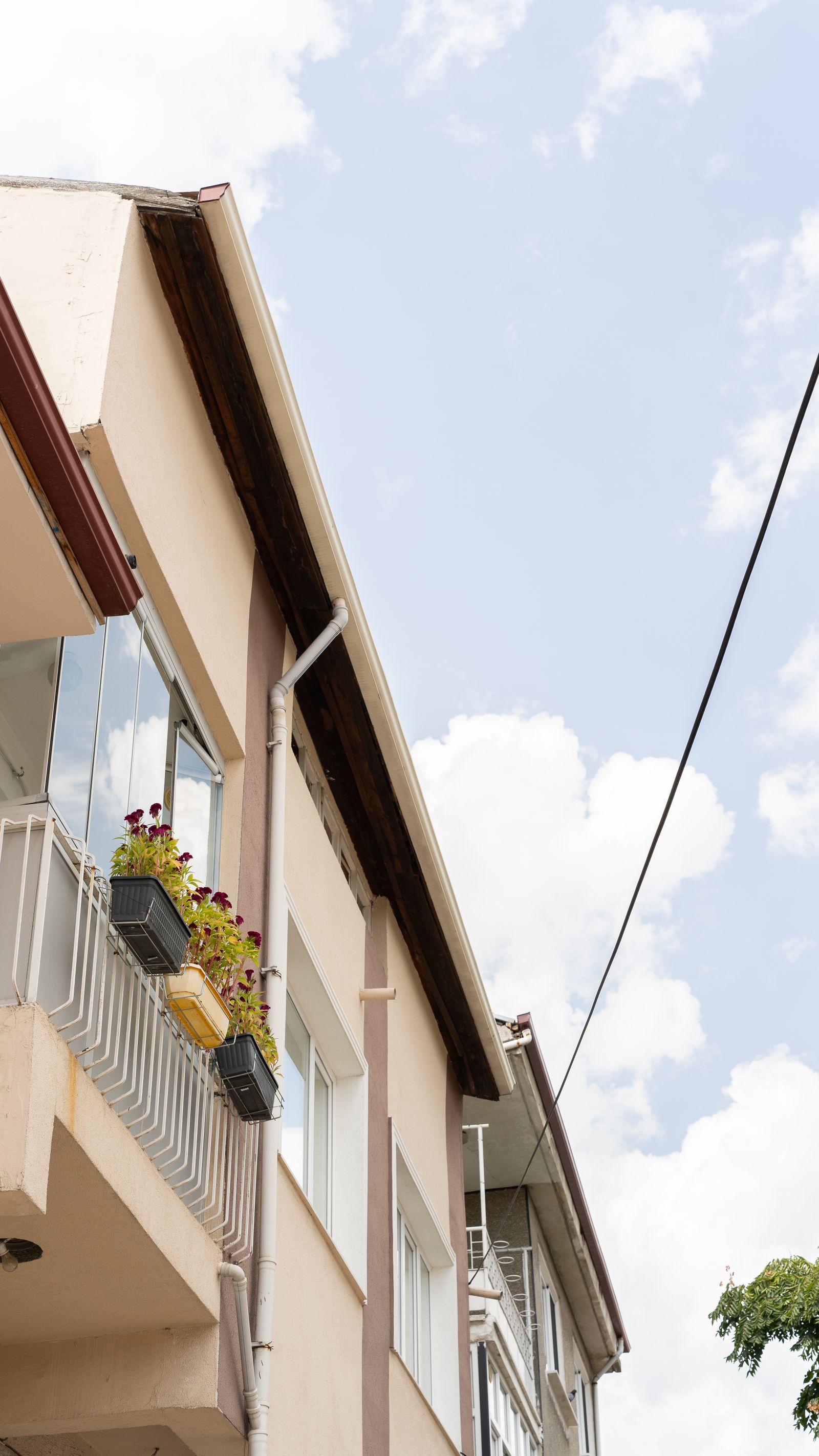
Photo: Pexels contributor / Pexels · free stock, attributed
This guide applies to temperate Northern Hemisphere urban balconies, roughly USDA 6–8. Local building rules and balcony construction vary more than climate zone—treat structural limits as site-specific. Ask management or a qualified professional; do not treat blog estimates as rated capacity.
1. Calculate wet weight first
Soil, water, pottery, and frames compound. A layout that looks light with empty terracotta may exceed shelf or slab guidance once every pot is watered.
- Open /tools/pot-soil-weight/ and enter diameter, fill height, and mix type for each large container.
- Sum wet totals per shelf tier and for the whole balcony.
- Compare totals to the manufacturer load rating on each stand and to lease or building guidance.
- If there is no rating and no building answer, do not assign a kilogram limit from forums—get written guidance or keep heavy pots on the floor only.
2. Shelves and stands
| Rule | Practice |
|---|---|
| Wet-load rating | Published rating above estimated wet total per tier, with margin |
| Footprint | Wide bases over skinny legs on windy decks |
| Level | Shim so pots do not creep toward rail gaps |
| Floor protection | Soft pads under metal feet; protect waterproof membranes |
| Wind | Top-heavy racks sail; place densest pots low |
Modular wire shelves are acceptable when each tier’s rating matches the pots you place—not the empty-shelf marketing photo. Do not hang shelves from a railing unless hardware and building rules explicitly allow that attachment.
3. Egress and furniture
- Maintain a continuous path from door to rail—target ≥ 60 cm (24 in) where space allows, for a person plus watering can.
- Fold tables that block door swing after use.
- Store chairs where wind cannot slide them under rail gaps.
- Keep tools and fertilizer off the primary walk line.
Privacy screens and plant walls must not trap you behind wet pots during a storm.
4. Vertical and pallet systems
Vertical gardens and pallet planters raise the center of gravity and catch more wind.
- Know what you may fasten to. Many leases forbid drilling facade, ceiling, or railing.
- Use rated anchors into structural elements—not adhesive hooks sold for towels.
- Budget wet soil mass, not dry empty boxes.
- Do not infer slab or railing capacity from social media “rules of thumb.”
- Secure against wind uplift on upper floors; a leaning pallet is a projectile hazard.
Untreated shipping pallets may carry residues unsuited for food crops; use food-rated planters for herbs if pallets are unavoidable. Keep vertical loads off shared party walls unless rules allow.
“Zip ties to the railing” is temporary decoration for light empties—not a tomato wall.
5. Privacy without blocking all light
Privacy usually means blocking sitting-height sight lines, not a solid wall that darkens the slab.
| Approach | Light impact | Notes |
|---|---|---|
| Trellis + climbing annuals | Moderate | Morning glory (check local invasiveness), thunbergia, annual sweet pea |
| Tall narrow pots + clumping grasses | Low–moderate | Cut back in spring in zones 6–8 |
| Clumping bamboo in containers | Moderate–high if dense | Root barrier mandatory; check plant list rules |
| Lattice 30–50% open area | Predictable | Screens views, admits sky light |
| Solid tarp or solid panels | High loss | Last resort |
Place the densest baffle toward overlooking windows; keep the brightest sky edge freer. On a dim north exposure, a solid screen on the only bright side hurts bloom—see reading balcony light.
Evergreen screens help winter privacy in milder zone 7–8 pockets; in zone 6, plan many screens as seasonal.
6. Default layout sequence
- Heavy pots low, toward the building wall unless documentation says otherwise.
- Light trailers toward the rail only if railing planters are allowed and clamp-rated.
- Privacy as a partial baffle, not a full enclosure.
- Folding table as a temporary work surface, not a permanent barrier.
- One clear watering path.
Rehearse a windy day: anything that pivots, sails, or rolls needs a wedge, pad, or indoor storage.
Sources
- Royal Horticultural Society — Container maintenance
- University of Illinois Extension — Container size
- USDA Plant Hardiness Zone Map