Pots That Stay Put on Windy Balconies
Wet mass, pot shape, fabric bags on hard decks, and clamp-on railing planters that do not scrape rails—USDA 6–8 balcony stability.
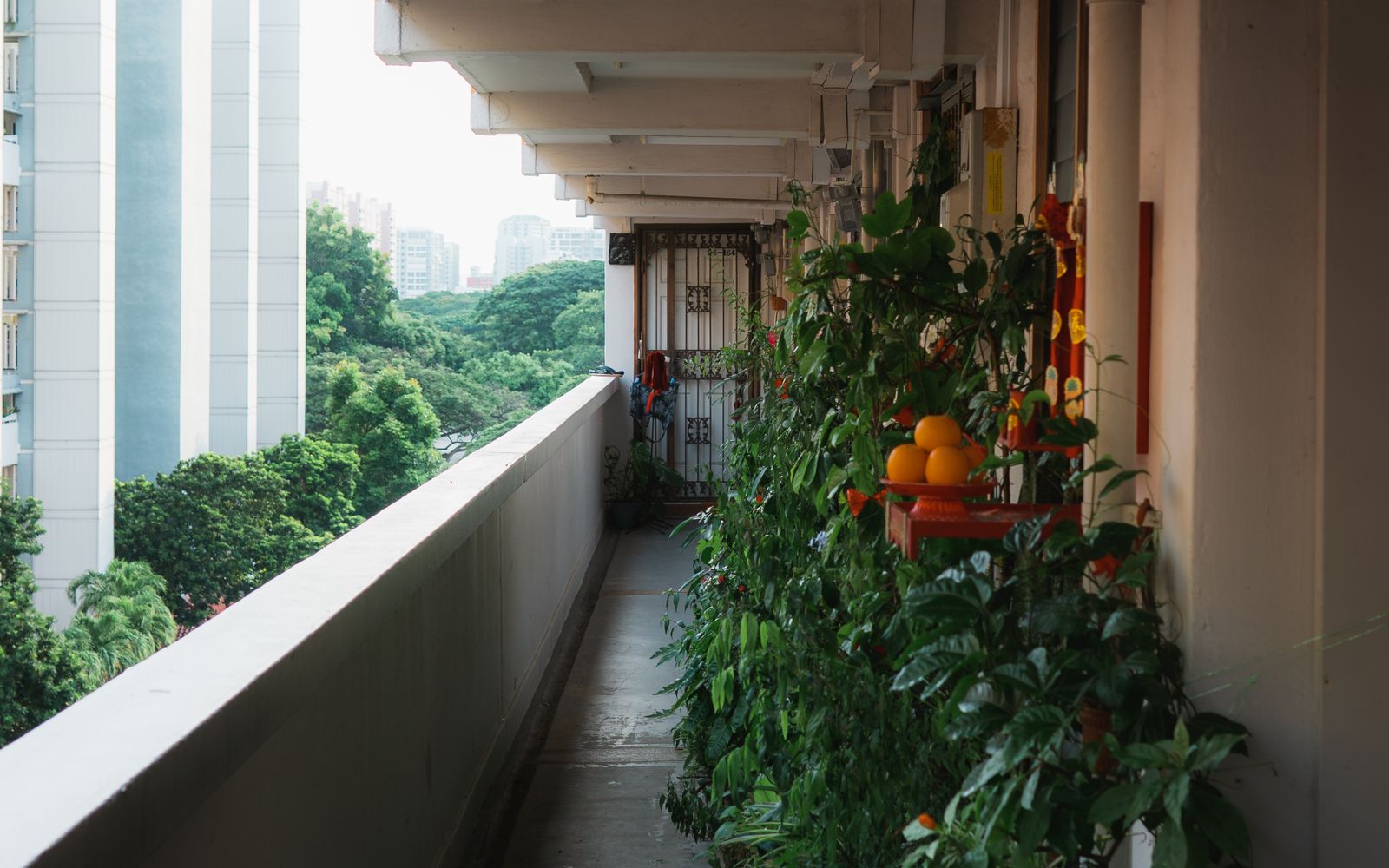
Photo: William Gan / Pexels · free stock, attributed
On temperate urban balconies (roughly USDA 6–8), wind often topples containers before frost does. Hotter climates add UV and evaporation stress; colder sites need the same stability rules plus timely winter empty-down. This guide covers floor pots, fabric grow bags on hard decks, and railing planters that stay put without damaging rails.
Floor pots: mass and shape
Wet potting mix changes the physics. A 30 cm (12 in) pot with 10–12 L damp peat–perlite mix often weighs 8–12 kg. A 40–45 cm pot at 20–25 L can exceed 18–25 kg watered. Square or rectangular bases beat tall cylinders of the same volume—lower center of gravity.
| Pot type | Typical volume | Wind notes |
|---|---|---|
| Tall narrow plastic | 10–15 L | Tips first; wall-mount or ballast |
| Wide ceramic / concrete | 15–30 L | Stable if base width ≥ half of height |
| Fabric grow bag | 20–40 L | Low tip risk; slides on smooth tile |
| Pot-in-pot | Outer + gravel | Outer shell ballast |
Before stacking large containers, check building balcony guidance or ask management. Use the pot and soil weight calculator with diameter, fill height, and mix type.
Fabric pots on hard floors — three requirements
- Rigid tray or board under the bag so wet fabric does not wick onto membranes or stain stone.
- Risers 1–2 cm under the tray so water exits and the base can dry.
- Wind stop when the top 5 cm of mix is dry and light: nest in a heavier cachepot or set against the building wall, not the open rail edge.
Do not line fabric with solid plastic—that blocks sidewall drainage. Trim roots that exit through cloth at repot time, not mid-season under stress.
Railing planters
Railing boxes concentrate load on a thin metal or glass edge.
- Prefer clamp-on or over-rail designs with soft pads—not drilling, zip ties through paint, or bare metal hooks.
- Match inner width to rail thickness; a loose hook rocks and abrades finish in one season.
- Keep wet soil depth 12–15 cm for herbs and trailing annuals in troughs; deeper boxes become wind levers.
- Prefer two boxes at 5–8 L each over one 20 L trough on a single bracket pair.
- Mount on the inside of the rail when allowed—failure drops on the deck, not the sidewalk.
- Skip friction-only clips on slick glass rail; use manufacturer-rated clamps within stated rail width.
Do not hang water-heavy boxes from decorative balusters screwed into soft wood. If railing attachments are banned, use freestanding shelves set back from the edge.
Seasonal cues (zones 6–8)
| Period | Action |
|---|---|
| Apr–May | Stake transplants day one; empty decorative cachepots that collect rain |
| Jun–Aug | Water early—a dry light pot tips easier; recheck clamps after ≥ 32°C days |
| Sep–Oct | Lighten railing loads before autumn storms |
| Nov–Mar | Store fabric bags dry; leave heavy ceramic only if freeze–thaw will not crack and holes stay clear of ice |
Quick checklist
- Wide base or ballast over tall skinny plastic.
- Fabric on tray + risers, not bare on membrane.
- Soft-padded, rated railing clamps—no DIY drill on rental rails.
- Wet weight from weight tool before filling largest pots.
- Building rules checked before anything hangs over the public side.