Eight Tools for a Balcony Growing Kit
Eight hand tools that cover weekly container tasks on a small balcony — specs, buy order, and what to defer until a job repeats.
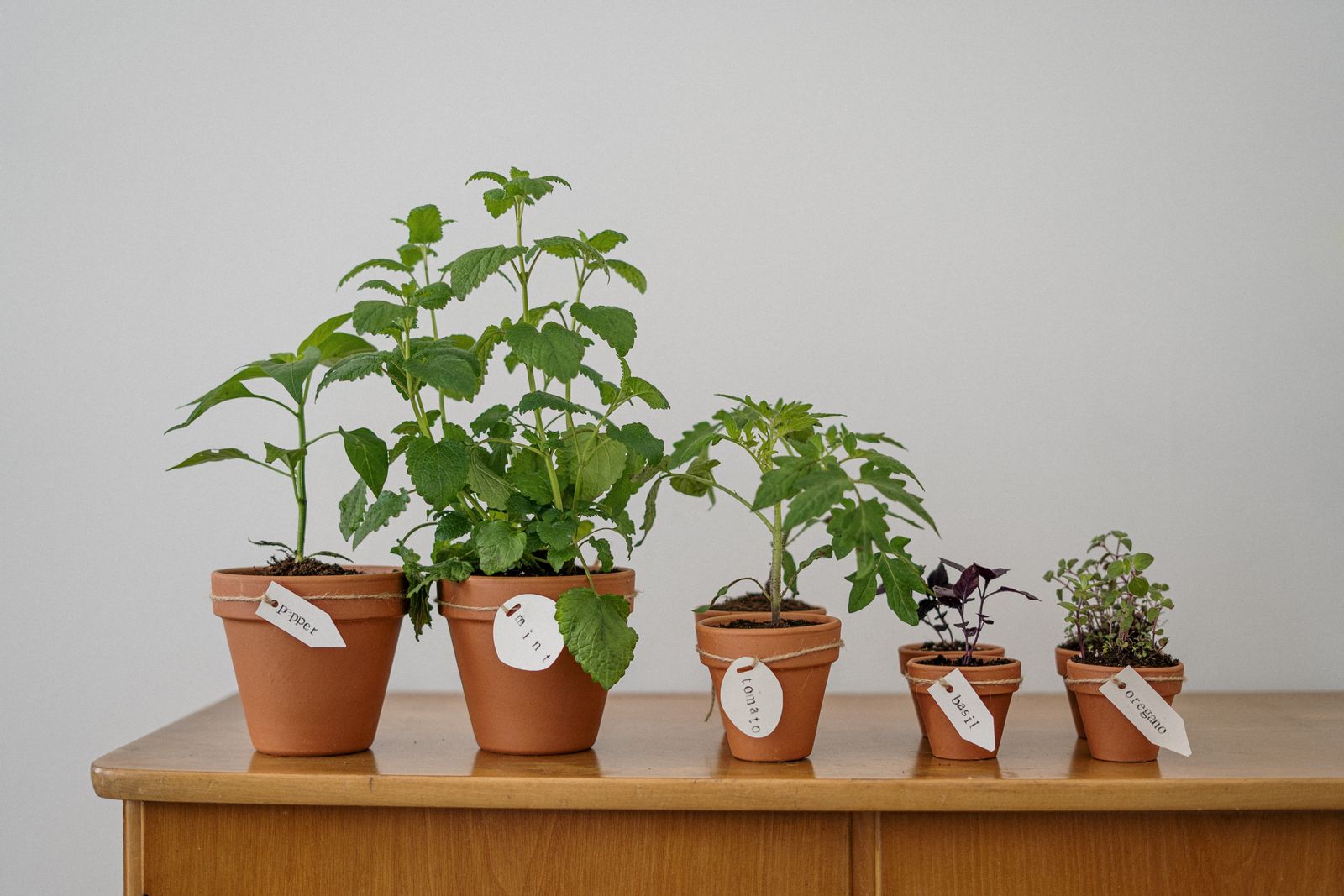
Photo: Kulbir / Pexels · free stock, attributed
Container gardening on a temperate Northern Hemisphere urban balcony (USDA zones 6–8) runs on hand scale. Tool needs match pots, not beds. Colder climates add indoor overwinter gear; hotter climates lean on watering and shade hardware covered in other guides. Eight tools handle most weekly jobs; specialty gadgets can wait until the same task appears twice.
Core kit (eight tools)
| # | Tool | Primary weekly job |
|---|---|---|
| 1 | Bypass snips / hand pruners | Clean cuts on green stems, herb harvests, light pruning |
| 2 | Narrow trowel | Potting, reaching the bottom of tall cylinders without dumping mix |
| 3 | Watering can with gentle rose | Even watering that does not blast seedlings from trays |
| 4 | Kitchen scissors (dedicated) | Soft harvests, soil bags, twine |
| 5 | Soft plant ties | Tomatoes, peppers, climbers without wire girdling |
| 6 | Dexterity gloves | Mix handling, prickly herbs, cold terracotta |
| 7 | Collapsible mixing tub | Blending potting mix without coating shared floors |
| 8 | Waterproof labels + pencil/marker | Variety, sow date, last fertilizer date |
Specifications that matter
Bypass snips use a scissor blade against a counter blade. Anvil crushers bruise soft stems. Oil the pivot; sharpen or replace when cuts crush instead of slice. Wipe blades with rubbing alcohol after diseased tissue.
Narrow trowel: blade roughly 15–20 cm long, sturdy neck. Wide masonry trowels waste mix in deep pots; stamped bargain scoops bend in wet blend.
Watering can: 5–8 L with a removable rose (sprinkler head). Larger cans are heavy when full and hard to aim over a rail. The rose keeps seed trays intact; a bare spout excavates mix.
Scissors: keep in the plant caddy, separate from food prep. Replace when blades nick.
Soft ties: cloth strip, stretch tape, or soft rubber. Retie as stems thicken. Wire twist-ties cut into tomato stems by midsummer.
Gloves: thin enough to feel the snip trigger; mandatory for fertilizer dust and broken terracotta.
Collapsible tub: 40–60 L works for remixing one or two large pots. Rigid bins are fine if storage allows.
Labels: UV-rated tags or rewrite each spring. Dates matter more than decorative names when leaves yellow six weeks later.
Buy order
- Week one: snips, watering can, trowel.
- When plants need support: soft ties and labels.
- When refreshing mix: collapsible tub and gloves.
- At first harvest: dedicated scissors (often week one if herbs are already growing).
Defer moisture meters, full-size loppers, electric sprayers, and decorative watering globes until a real task requires them. A moisture meter can teach dry-versus-wet once; the finger test remains the daily check.
Monthly tool maintenance
- Empty dead labels; note which varieties failed for next season’s order.
- Check pivot bolts on snips; oil if stiff.
- Discard tools unused for a year — they are clutter, not insurance.
- After cutting diseased plants, disinfect blades before the next pot.
Storage on a shared balcony
Keep blades dry. Seal liquid fertilizers away from metal. If the caddy lives in a building closet, use a bin that will not leak feed onto shared floors. After diseased tissue, clean tools before repotting healthy stock.
Defer these purchases
| Item | Reason |
|---|---|
| Full-size rake or shovel | Pot scale favors hand tools |
| Thin string that cuts stems | Use soft ties |
| Unrated hooks for heavy hanging pots | Load limits are a lease issue |
| Bundled “balcony kits” of unknown steel | Buy the eight tools as needs arise |
Sources
- University of Minnesota Extension — Clean and disinfect gardening tools and containers
- University of Illinois Extension — Containers for container gardens
- USDA Plant Hardiness Zone Map — planthardiness.ars.usda.gov